


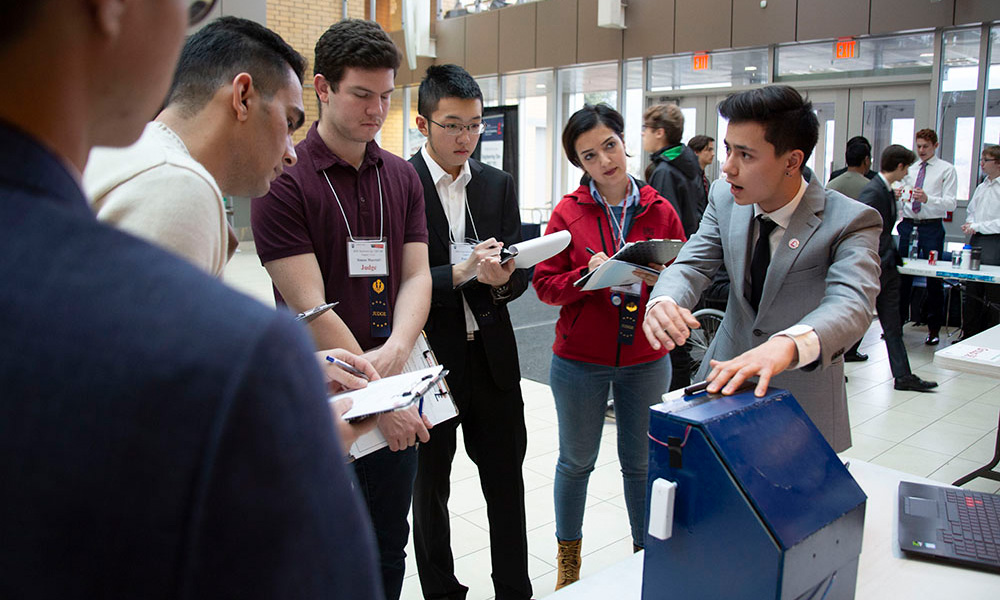


Study Here
A world of limitless possibilities and endless combinations
Top-ranked University
Our talented and motivated students and faculty drive our research and support the quality of our undergraduate and graduate programs. The Okanagan campus bolsters the strength of UBC as one of the world’s top public universities.

66 Undergraduate programs

55 Graduate programs

Top 5% of global universities

1,332 Active research projects
Featured Program
 Medical Physics
Master of Science (MSc), Doctor of Philosophy (PhD)
Apply physics-based concepts and methodologies to make a meaningful difference in medical and health fields.
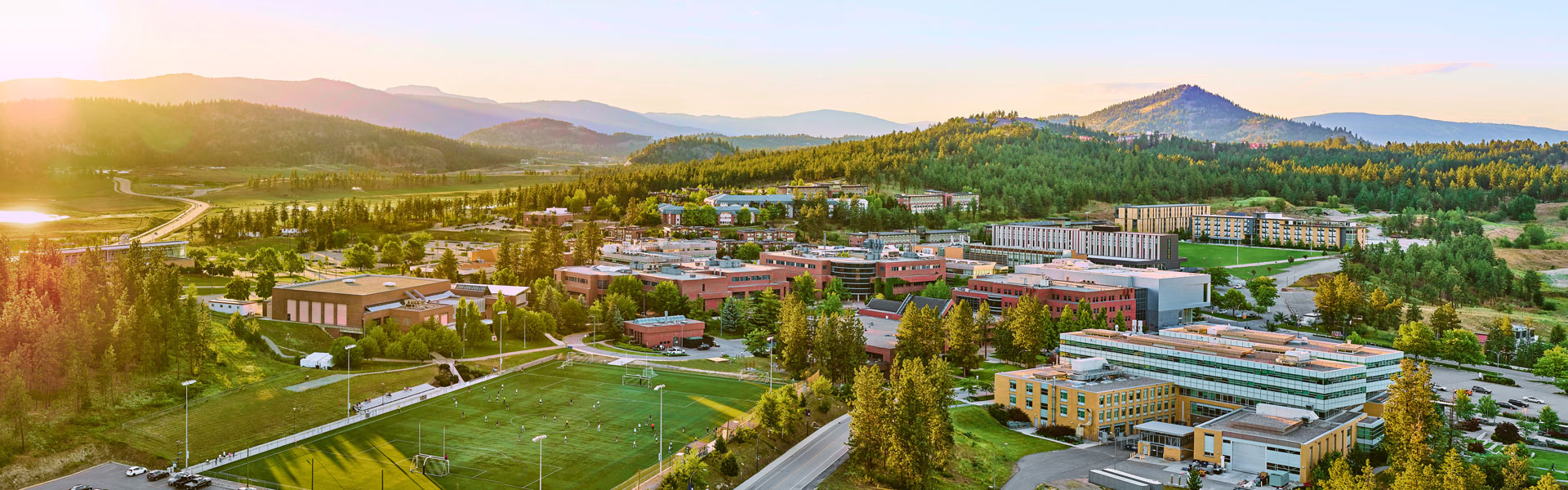
UBC Okanagan is a remarkable campus unlike any other
UBCO’s growing population of domestic and international students has helped turn the Okanagan into one of Canada’s fastest-growing regions. Come study within the stunning natural beauty of BC’s Okanagan Valley. Learn more.